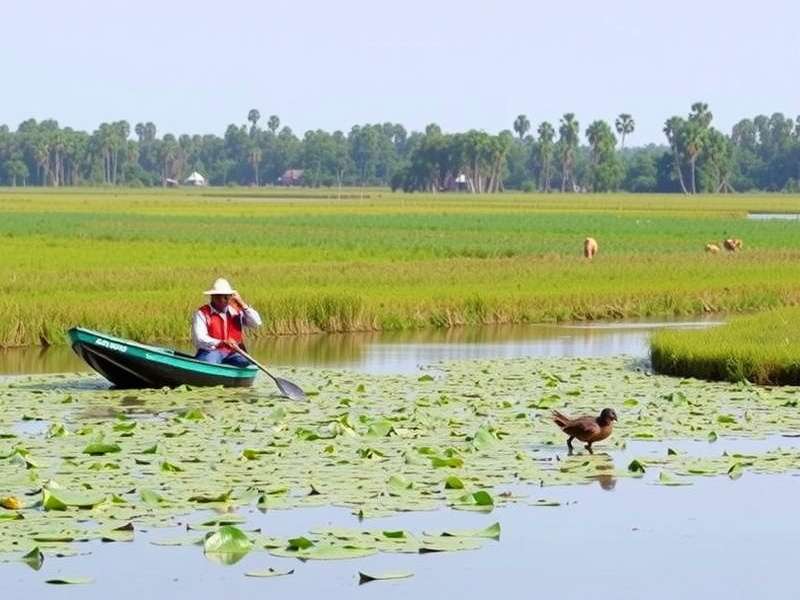
A premier research institution under the Indian Council of Agricultural Research (ICAR) dedicated to advancing fisheries technology, ensuring seafood safety, and promoting sustainable fish processing practices since 1957.
The Central Institute of Fisheries Technology (CIFT) is a leading research institution under the Indian Council of Agricultural Research (ICAR) dedicated to research and development in fishing technology, fish processing, and quality assurance.
Established in 1957, CIFT has been at the forefront of developing innovative technologies for the fisheries sector, enhancing food safety, reducing post-harvest losses, and adding value to fish products. Our institute plays a crucial role in shaping India's fisheries policies and practices through scientific research and technological innovations.
Located in the coastal city of Kochi, Kerala, CIFT operates through its headquarters in Willingdon Island and research centers across India, focusing on region-specific challenges and opportunities in the fisheries sector.
Get in Touch

To be a global leader in fisheries technology research, promoting sustainable fishing practices, ensuring seafood safety, and enhancing the socio-economic status of fishing communities through scientific innovations and technology transfer.
To conduct cutting-edge research in fish harvesting, processing, quality assurance, and value addition; develop appropriate technologies for the fisheries sector; provide analytical services and consultancy; and disseminate knowledge through training and extension activities.
Focuses on development of energy-efficient fishing gears, bycatch reduction devices, vessel design, and safety measures for fishermen.
Develops technologies for fish preservation, processing, packaging, storage, and transportation to reduce post-harvest losses.
Ensures seafood safety through development of quality standards, detection methods for contaminants, and certification protocols.
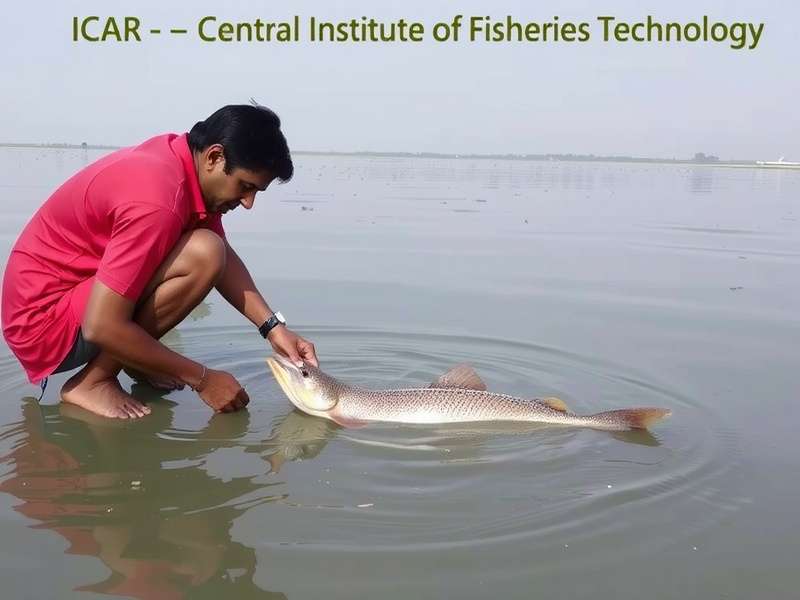
Pioneering research in fisheries science and technology for sustainable development of the sector.
CIFT's research programs are aligned with national priorities and global challenges in the fisheries sector. Our multidisciplinary approach addresses issues from harvest to consumption.
Development of selective fishing gears, bycatch reduction devices, and energy-efficient fishing methods to promote ecosystem-based fisheries management.
Development of innovative fish-based products including ready-to-eat, ready-to-cook, and functional foods to enhance market value and consumption.
Research on detection methods for pathogens, toxins, chemical residues, and adulterants in seafood to ensure consumer safety and regulatory compliance.
Innovations in preservation, processing, packaging, storage, and transportation to reduce post-harvest losses and extend shelf-life of fish products.
Comprehensive testing and analytical services for the seafood industry, regulatory bodies, and research institutions.
Comprehensive testing for proximate composition, vitamins, minerals, heavy metals, antibiotics, pesticides, and other chemical contaminants in seafood and water samples.
Detection and enumeration of pathogenic and spoilage microorganisms in seafood, fish products, and processing environments including ISO and BIS standard methods.
Species identification, detection of genetically modified organisms, allergen testing, and molecular characterization of seafood using advanced DNA-based techniques.
Our NABL accredited laboratory provides reliable, accurate, and timely analytical services with comprehensive reporting.
Request Service QuoteInnovative technologies developed and transferred to industry for commercialization and societal benefit.
A self-contained, truck-mounted processing unit for hygienic handling and processing of fish at landing centers. Equipped with cleaning, gutting, filleting, icing, and packaging facilities.
Benefits: Reduces post-harvest losses, improves hygiene, adds value at source.
Status: Commercially adopted by several fisher cooperatives.
Technology for extending shelf-life of fresh fish and fishery products by modifying the gaseous environment within the package. Extends shelf-life by 2-3 times compared to conventional packaging.
Benefits: Extended shelf-life, reduced spoilage, maintained quality.
Status: Licensed to multiple seafood export companies.
Specially formulated hygienic ice with antimicrobial properties for fish preservation. Reduces bacterial load and extends freshness of fish during storage and transportation.
Technology for converting fish processing waste into value-added products like fish meal, oil, silage, and bioactive peptides through enzymatic and microbial processes.
Immunoassay-based rapid test kits for detection of common seafood pathogens like Vibrio, Salmonella, and Listeria within 6-8 hours without need for sophisticated lab infrastructure.
Scientific publications, technical bulletins, and knowledge products disseminating research findings.
Authors: Kumar, S., Nair, P.G., & Rao, B.M.
Journal: Food Research International, 2023, 165, 112456
Read Abstract →Authors: Menon, R.R., Lakshmi, D., & Joseph, J.
Journal: Carbohydrate Polymers, 2023, 299, 120182
Read Abstract →Authors: Sharma, A., Gupta, S., & Patel, K.
Journal: Food Control, 2023, 145, 109412
Read Abstract →Authors: Thomas, S.N., Prakash, R., & Edwin, L.
Journal: Ocean Engineering, 2023, 267, 113245
Read Abstract →November 15-17, 2023
Hybrid (Kochi & Online)
Register NowGet updates on research, events, and publications from CIFT.
Get in touch with us for research collaborations, testing services, technology licensing, or general enquiries.
ICAR - Central Institute of Fisheries Technology
Willingdon Island, Kochi
Kerala - 682029, India
+91-484-2412300 (Office)
+91-484-2668212 (Director)
+91-484-2668559 (Fax)
[email protected] (General)
[email protected] (Director)
[email protected] (Business)